Santa Cruz County Short-Term Rental Rules Explained
Short-term rentals can be a powerful investment strategy in Santa Cruz County, but many buyers discover that obtaining a vacation rental permit isn't as simple as purchasing a property and listing it on Airbnb.
Recently, I visited the Santa Cruz County Planning Department to better understand how the county's short-term rental system works. If you're considering purchasing a vacation rental, understanding these regulations before making an offer can save you significant time, money, and frustration.
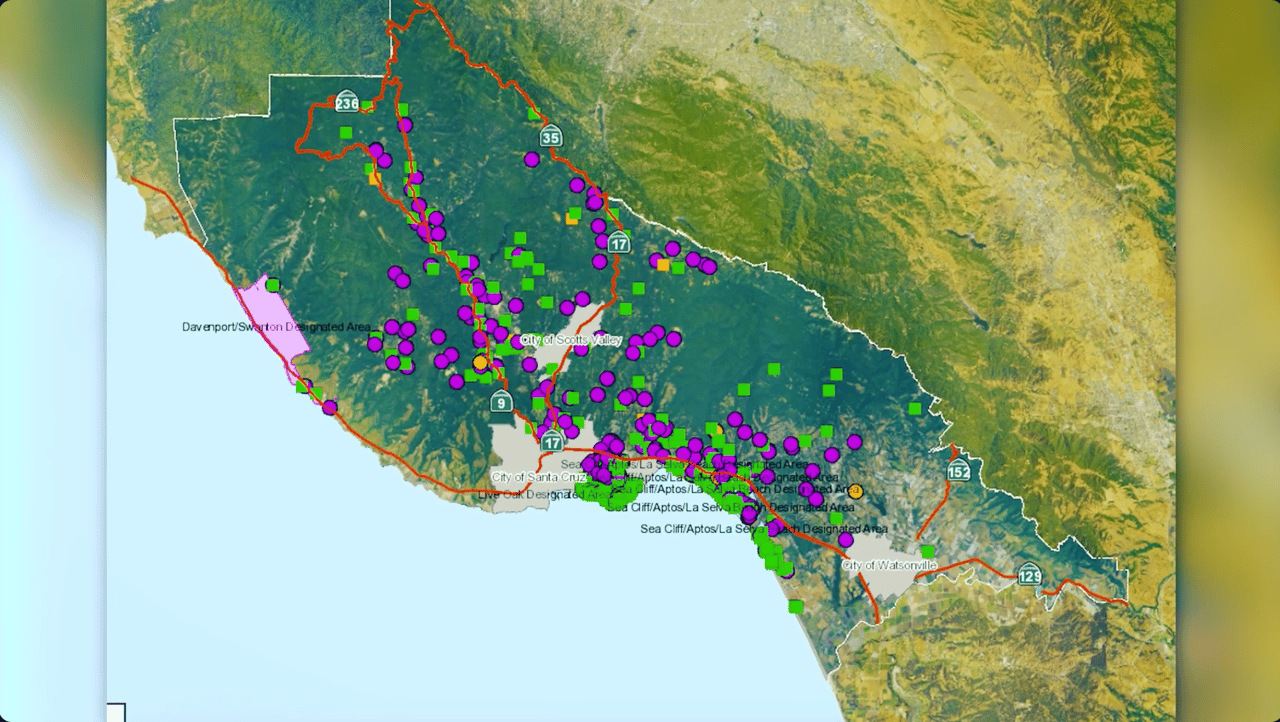
Understanding Santa Cruz County's STR Zones
For this discussion, we're focusing on unincorporated Santa Cruz County rather than individual cities like Santa Cruz, Capitola, or Scotts Valley.
The county divides short-term rental properties into several designated areas:
-
Davenport-Swanton Designated Area (DASDA)
-
Live Oak Designated Area (LODA)
-
Seacliff-Aptos-La Selva Designated Area (SALSDA)
-
SALSDA No-Limit Area
-
Resort properties such as Seascape Resort and Pajaro Dunes
-
The remainder of unincorporated Santa Cruz County
Each area has its own restrictions, waitlists, and permit availability.
The 15% Rule
Santa Cruz County limits the total number of short-term rental permits to approximately 15% of eligible housing stock. The good news for investors is that the county has not yet reached this overall cap. However, permit availability is often determined at the neighborhood block level, which creates additional challenges.
Why Block Density Matters
One of the most important concepts for investors is block density. The county generally limits short-term rentals to roughly 20% of properties within a designated block. Even if your name reaches the top of a permit waitlist, your application can still be denied if your block already exceeds the allowable density.
For example:
-
A block with 10 homes may only allow 2 short-term rental permits.
-
Some neighborhoods exceed today's limits because permits were issued before current regulations.
-
Certain blocks already have 30–40% short-term rental density, making new permits unlikely.
This is why checking block density should be one of the first steps during due diligence.
Areas With Fewer Restrictions
Some locations offer significantly easier paths for vacation rental ownership. The SALSDA No-Limit area includes portions of Rio Del Mar and surrounding beach neighborhoods where density restrictions are less restrictive than elsewhere in the county.
Additionally, properties within:
-
Seascape Resort
-
Pajaro Dunes Resort
-operate under their own use permits and generally avoid many of the county's density limitations. These locations are often attractive options for investors seeking predictable vacation rental opportunities.
Current Permit Waitlists
Waitlist lengths can vary dramatically by area.
At the time of this research:
-
Davenport-Swanton: 1 applicant
-
Live Oak: 12 applicants
-
SALSDA: 70 applicants
-
Hosted rental waitlist: 40 applicants countywide
Keep in mind that waitlist position alone does not guarantee approval. Block density remains a critical factor.
Parking Requirements
Parking is another common hurdle.
Santa Cruz County generally requires:
-
Studio to 2-bedroom rentals: 1 off-street parking space
-
3-4 bedroom rentals: 2 off-street parking spaces
-
Larger homes may require additional spaces
Garages count toward these parking requirements.
ADUs and Short-Term Rentals
One regulation that surprises many investors is the county's stance on accessory dwelling units (ADUs). Under current rules, properties with newly permitted ADUs generally cannot receive short-term rental permits. Existing grandfathered situations may remain, but new applicants should assume that combining an ADU and a vacation rental permit will not be permitted.
Duplexes and Triplexes
Multi-unit properties can qualify for short-term rental permits under certain circumstances. If the rental shares a wall with a long-term tenant, the county may require written permission from the neighboring tenant before approving the permit. Investors should consider addressing this issue directly within lease agreements when appropriate.
Permit Costs and Fees
The current fee structure includes:
-
Waitlist fee: approximately $135 annually
-
Permit application fee: approximately $1,500–$2,000
-
Permit review timeline: roughly 3 months
-
Permit term: 5 years before renewal is required
Permit holders who renew on time typically avoid having to rejoin the waitlist. However, allowing a permit to expire can result in losing priority status and returning to the back of the line.
Transient Occupancy Tax (TOT)
Santa Cruz County currently imposes a 14% Transient Occupancy Tax (TOT) on short-term rental revenue. Platforms such as Airbnb and VRBO generally collect and remit these taxes on behalf of property owners. While owners may never directly handle the tax funds, the expense should still be considered when evaluating cash flow and nightly rental rates.
Final Thoughts
Santa Cruz County remains one of California's most desirable vacation rental markets, but success starts with understanding the regulations before purchasing a property.
Before making an offer, investors should verify:
-
Property location and zoning
-
Block density
-
Permit availability
-
Waitlist status
-
Parking compliance
-
ADU restrictions
-
Estimated operating costs
A little research upfront can help avoid purchasing a property that cannot legally operate as the vacation rental you intended.